
Ze Zeus: How Cluster Wins Work in a Mobile Slot
The Ze Zeus slot by Wazdan represents a shift from traditional payline mechanics to a more flexible system known as cluster wins. This approach changes how combinations are formed and how payouts are calculated, particularly in mobile play where speed and clarity matter. Understanding how cluster wins function in this slot helps players interpret results correctly, manage expectations, and recognise how volatility is structured within the game.
What Cluster Wins Mean in Ze Zeus
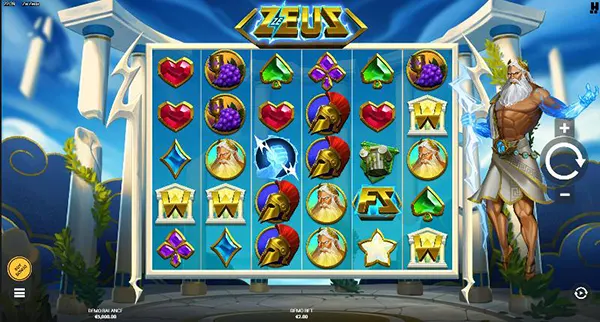
Cluster wins replace fixed paylines with symbol groupings that can form anywhere on the grid. In Ze Zeus, matching symbols connect when they appear in adjacent positions, either horizontally or vertically. Diagonal connections are typically excluded, which creates a clear structure for evaluating combinations. This system allows wins to occur in multiple areas of the screen at once.
The grid-based layout used in Ze Zeus supports this mechanic by removing the limitation of predefined lines. Instead of relying on specific paths, the game checks for clusters of identical symbols that meet a minimum requirement. This gives more flexibility but also requires players to understand that position matters differently compared to classic slots.
From a gameplay perspective, cluster wins introduce a more dynamic flow. Rather than waiting for symbols to align on paylines, wins can occur more frequently but in varying sizes. This contributes to a balance between hit rate and payout distribution, which is especially noticeable during extended sessions on mobile devices.
How the Grid and Symbol Connections Work
Ze Zeus typically uses a square grid format where each spin fills the board with symbols. A cluster is formed when a minimum number of identical symbols—often five or more—touch each other on adjacent tiles. The exact requirement depends on the game configuration, but the principle remains consistent.
Once a valid cluster is identified, it is removed from the grid, and new symbols drop down to fill the empty spaces. This mechanic, often referred to as cascading or tumbling, allows additional clusters to form within a single spin. As a result, one paid spin can generate multiple consecutive wins.
On mobile devices, this system is optimised for quick visual feedback. Animations are simplified without losing clarity, ensuring that players can follow how clusters form and disappear. This is important for usability, as smaller screens require more efficient presentation of game events.
Role of Cascading Features in Cluster Wins
Cascading is central to how cluster wins create extended sequences. After a cluster is removed, gravity mechanics cause symbols above to fall into place. New symbols enter from the top, potentially forming new clusters without requiring an additional wager. This extends the value of a single spin.
In Ze Zeus, cascades can continue until no further clusters are formed. Each subsequent cascade may increase the total payout, depending on whether multipliers or progressive features are triggered. This creates a layered system where wins build on each other.
The pacing of cascades is particularly relevant on mobile. The game is designed to process these sequences quickly, reducing waiting time while still displaying each step. This ensures that players remain engaged without unnecessary delays.
Multipliers and Their Interaction with Clusters
Multipliers in Ze Zeus often activate during cascading sequences. Each successful cascade may increase a multiplier value, which is then applied to the total win from that sequence. This significantly affects the potential payout of cluster-based gameplay.
Unlike fixed multipliers tied to paylines, these values grow dynamically. For example, the first cluster might pay at base value, while subsequent cascades apply increasing multipliers. This creates a compounding effect that rewards longer sequences rather than isolated wins.
From a technical standpoint, this system contributes to medium-to-high volatility. While smaller clusters may appear frequently, the larger payouts depend on multiple cascades combined with multiplier growth. Understanding this helps set realistic expectations for session outcomes.
Mobile Optimisation and Player Experience
Ze Zeus is designed with mobile play as a primary focus, and cluster wins play a key role in this optimisation. The absence of paylines reduces visual clutter, making it easier to interpret results on smaller screens. Players can quickly identify winning clusters without scanning multiple lines.
Touch controls are integrated to allow smooth interaction with the grid. Animations are calibrated to maintain responsiveness, ensuring that cascades and symbol drops do not slow down gameplay. This is particularly important for maintaining engagement during longer sessions.
Battery and performance considerations are also addressed. Cluster-based mechanics reduce the need for complex line calculations, which can improve efficiency on lower-end devices. As a result, the game remains accessible across a wide range of smartphones and tablets.
How Cluster Wins Influence Strategy and Expectations
Cluster wins do not introduce traditional strategy in the sense of decision-making during spins, but they influence how players approach bankroll management. Since wins can chain together, sessions may include periods of rapid activity followed by quieter phases.
Players should recognise that frequent small wins are part of the system’s design, while larger payouts rely on cascades and multipliers aligning. This differs from classic slots, where single-line hits may define outcomes more clearly.
Overall, the cluster win mechanic in Ze Zeus offers a different rhythm of play. It rewards observation and understanding of how sequences develop, rather than focusing solely on individual spin results. This makes it particularly suited to mobile environments, where quick, continuous feedback enhances usability.